

How to Find Great Running Shoes Under $100 (Without Buying Junk)
Walk into a running store and the wall says one thing: real running shoes cost $140 to $180 now. That’s true at full price — and full price is optional if you understand one thing about how the shoe industry works.
The last-gen strategy
Running brands update their core models on a 12-to-18-month cycle. The Ghost becomes the Ghost 18, the Clifton becomes the Clifton 11, the Pegasus rolls over its number, and the marketing machine moves on. Here’s what the marketing won’t tell you: most annual updates are minor. A slightly tweaked upper, a few grams of weight, a new colorway palette. The midsole foam — the thing you’re actually paying for — often carries over unchanged.
The moment a new version launches, the outgoing model drops 25 to 40 percent, and retailers need to clear it fast. That’s the window. A $150 shoe becomes a $99–110 shoe not because anything is wrong with it, but because the box says last year’s number.
Our rule of thumb: if the new version’s changes are cosmetic, the old version at 30% off is the best deal in running. When an update is genuinely significant — a new foam, a major fit change — we’ll say so in the deal blurb, because sometimes the extra $40 is worth it. Usually it isn’t.
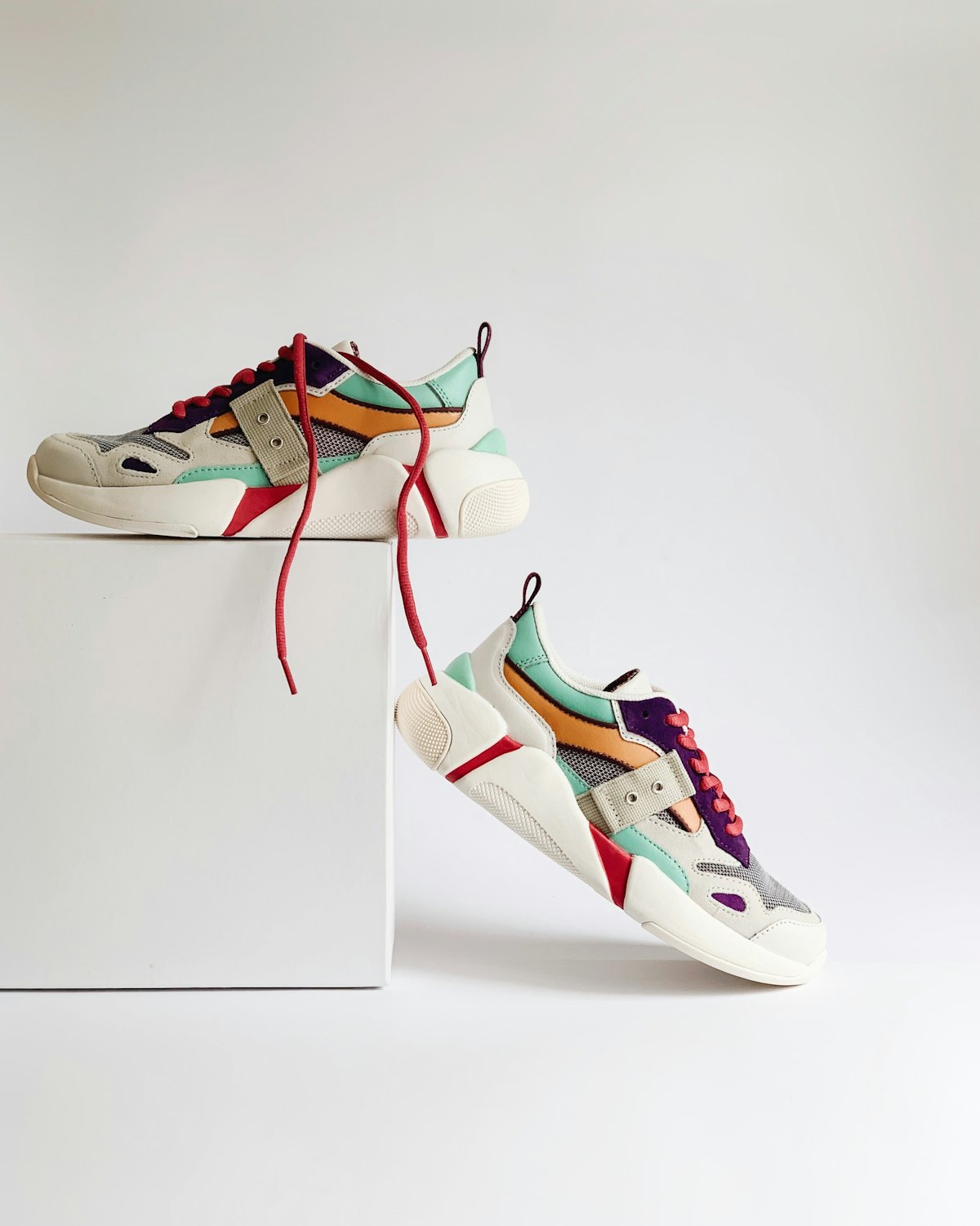
What under-$100 looks like when it’s done right
There are three honest paths to a sub-$100 running shoe.
Last-gen flagships on closeout. The Brooks Ghost, Hoka Clifton, ASICS Cumulus, and Saucony Ride from one generation back regularly land between $90 and $110. These were $140+ shoes designed for hundreds of miles of training. Nothing about them expired.
Budget lines that are actually good. Every major brand makes a legitimately decent shoe at a $100 MSRP that sales push into the $70s: the Brooks Revel, ASICS’s entry trainers, Saucony’s Axon line. They use simpler foams than the flagships — you’ll feel the difference on long runs — but for runners doing 15 miles a week or mixing running with gym work, they’re plenty.
Colorway roulette. Retailers discount by color, not by model. The same shoe can be $150 in this season’s colors and $95 in an unpopular one. If you don’t care that your shoes are lime green, you have a structural advantage over everyone who does.
The traps
The fake original price. Some listings inflate the “was” price to manufacture a discount. If a shoe claims it was $180 and every other retailer lists it at $140, the discount is fiction. We check original prices against the brand’s own site before posting anything.
Renewed and refurbished listings. On Amazon especially, the eye-catching price on a GPS watch or shoe is sometimes a “Renewed” unit — returned, inspected, resold. Sometimes that’s fine. But it’s not the same product as new, the warranty differs, and a deal that doesn’t say it’s refurbished upfront isn’t a deal, it’s a trap. We dropped a watch deal from this site for exactly this reason during launch week.
Ancient models dressed as bargains. A shoe that’s three or four generations old at 50% off has usually been sitting in a warehouse. Midsole foam degrades with time even unworn. One generation back is a sweet spot; four is a science experiment.
Outlet-only models. Some “outlet” shoes were manufactured for the outlet — cheaper materials, same famous name. If a model number doesn’t exist on the brand’s main site, that’s why the price looks so friendly.
Timing beats hunting
You can grind deal pages daily (that’s literally our job), but the calendar does a lot of the work. New model launches cluster in spring and fall, so closeout windows peak just after. Holiday weekends bring sitewide percentages that stack on already-reduced shoes. And when a brand launches a “new franchise” — a whole new model name — the shoes it’s replacing quietly hit clearance depth.
The one time not to wait: when your size shows up in a real deal. Discounted shoes sell through popular sizes first, and a 27% discount in a full size run today beats a 40% discount in size 15 only next week.
The bottom line
Under $100 doesn’t mean compromising — it means being one model-year patient and one colorway flexible. Every deal we post follows the rules above: verified live price, honest original price, current-enough model, new product unless clearly stated otherwise. If a shoe’s on our board, it passed.