

Running Gear That's Always On Sale (And When to Actually Buy)
Here’s a secret that saves runners hundreds of dollars a year: every category of running gear has a pricing personality. Some things are on sale so reliably that paying full price is a mistake. Others discount so rarely that waiting is the mistake. Once you know which is which, you stop wondering whether a deal is good and start knowing.
Almost always discounted — never pay full price
Running apparel. Shorts, tees, tanks, half-tights: apparel is seasonal fashion wearing a technical costume. Brands over-produce colorways, seasons turn, and 30–50% markdowns are a permanent fixture at brand outlets and running retailers. The technical difference between this season’s $65 short and last season’s identical $38 short is the color. Buy apparel exclusively from sale sections and you will never miss anything.
Last-generation shoes. Covered at length in our under-$100 guide, but the short version: the moment a model gets a successor, the outgoing version drops 25–40%. Since most annual updates are minor, last-gen at a discount is the single best value in running.
Sports sunglasses. The running-sunglasses market (Goodr, Knockaround, and friends) is built on affordable frames with frequent promos, bundles, and retailer discounts. Full price is only for the colorway you’re impatient about.
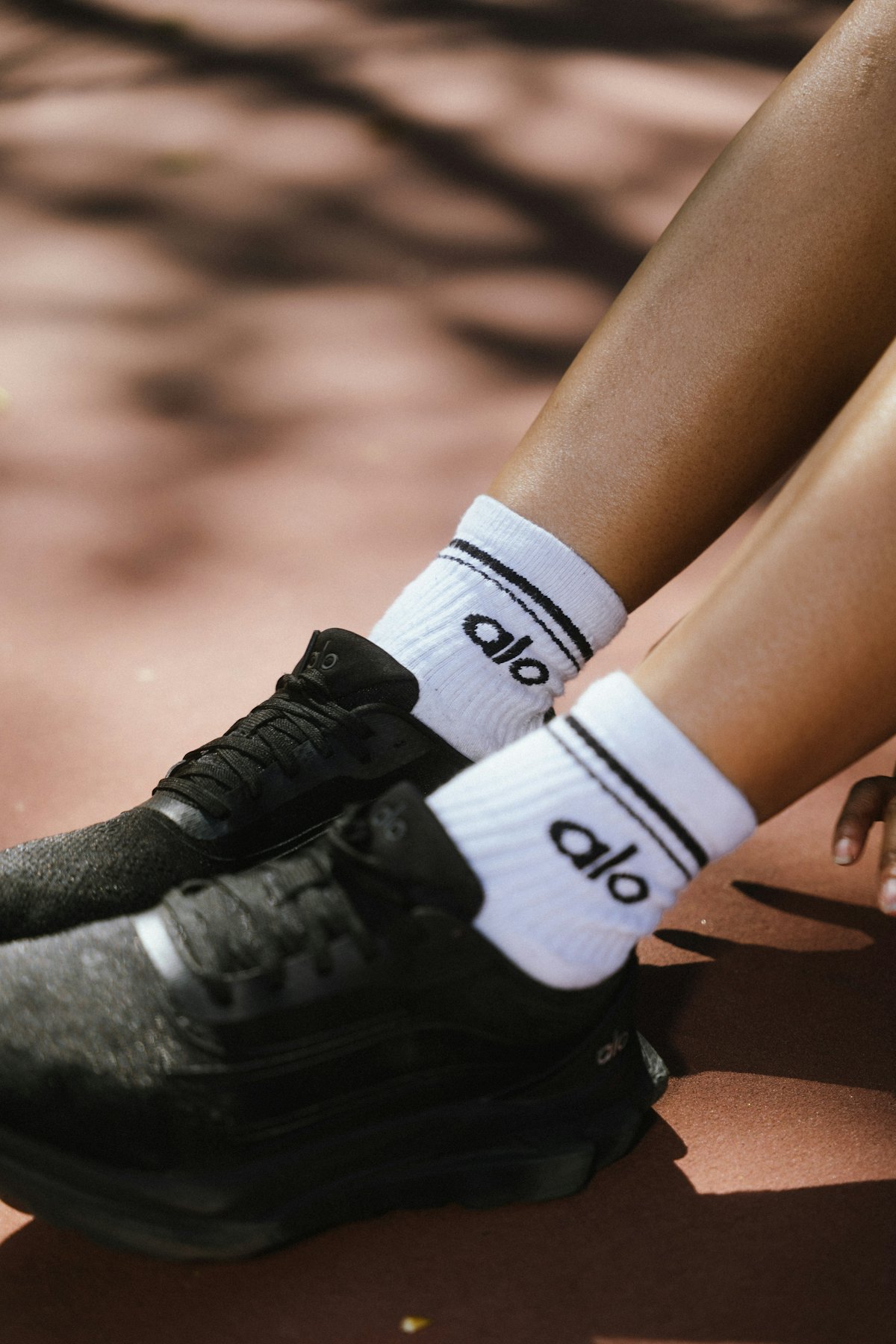
Socks in multipacks. Premium running socks (Balega, Feetures, Smartwool) look expensive per pair but constantly appear in 3-pack deals that cut the per-pair price 30% or more. Singles are for emergencies; multipacks are the price.
Cyclically discounted — buy in the windows
GPS watches. Garmin discounts in a steady rhythm around Prime events, holidays, and end-of-generation clearances; COROS discounts rarely and shallowly. The window strategy: identify the model you want, then wait for the next sale event — with Garmin, one is never more than a couple of months out. Watch out for Renewed units posing as deals.
Wireless headphones. Shokz, Jabra, and the running-headphone crowd discount reliably during the big retail events — Prime Day, Black Friday, and the weeks around them. Mid-cycle discounts exist but are shallower. If your current pair works, wait for an event; the discount difference is real money on a $130+ product.
Winter gear in spring. Tights, jackets, gloves, and thermal layers hit their deepest discounts in February through April, when retailers dump cold-weather stock. Buying next winter’s kit at the end of this winter is the most predictable 40–50% in running. The same works in reverse: summer gear bottoms out in early fall.
Hydration vests and belts. Tied to trail racing season — the deals cluster in late fall after the ultra calendar winds down, and again when brands refresh vest lines in spring.
Rarely discounted — buy when you need it
Current-generation nutrition. Gels, chews, and drink mixes have thin margins and steady demand. Multipack pricing on Amazon and bulk sizes at running retailers are the “deal” — genuine percentage discounts are uncommon, small, and usually tied to short-dated stock. If you see a deep nutrition discount, check the expiration date before stocking up. A modest per-unit saving on a 24-pack is the realistic win, and it’s worth taking.
Super shoes at launch. Carbon-plated race shoes hold price for most of their lifecycle because demand outruns supply. The exception: when the next version launches, last year’s racer can drop 30%+ — the one moment the last-gen strategy applies to the fast stuff. If your marathon is soon and your racer’s model just got replaced, that’s your moment.
Anti-chafe, body glide, and small consumables. Nobody discounts the $10 essentials meaningfully. Just buy them.
New COROS anything. See our Garmin vs. COROS breakdown — COROS holds price by design. Any discount is a green light.
The meta-rule
Behind all of this is one principle: discounts follow inventory risk. Gear that goes out of style (apparel), out of date (last-gen shoes), or out of season (winter kit) must be discounted, so it always is. Gear with steady demand and no expiration (nutrition, consumables, hot new watches) doesn’t need discounting, so it rarely is.
That’s the lens we run every deal on this site through. When we post an apparel deal, it has to beat the everyday sale-section price, not the fantasy MSRP. When we post a nutrition deal, a modest real saving makes the cut because that’s what a real one looks like. Calibrated expectations are the whole game — and now you have them too.